Iridescent Decorative Elements: A Complete Guide
In the world of digital design, few things capture attention quite like the shimmering, color-shifting allure of iridescence. Whether you are designing a brand identity for a luxury skincare line, creating eye-catching social media graphics, or adding a touch of magic to a personal project, Iridescent Decorative Elements offer a versatile solution that bridges the gap between modern minimalism and vibrant creativity. This guide explores exactly what these assets are, why they are so valuable, and how you can integrate them into your workflow effectively.
What Are Iridescent Decorative Elements?
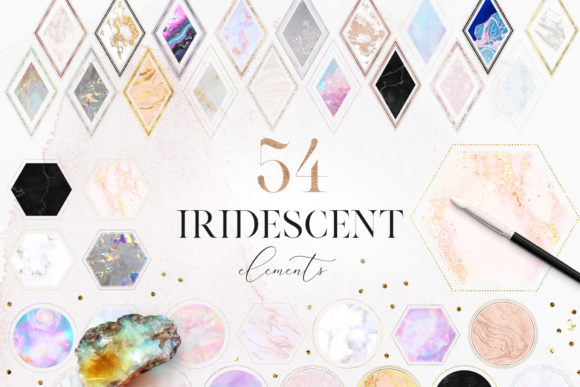
At its core, an iridescent decorative element is a visual asset designed to mimic the way light interacts with thin films, such as soap bubbles, oil on water, or butterfly wings. These elements shift in color depending on the viewing angle, typically displaying a spectrum of hues including pinks, blues, purples, and greens. In digital terms, this effect is achieved through complex gradients and transparency layers that create depth and movement without requiring heavy 3D rendering.
For designers and creators, these elements serve as powerful accents. They add texture, dimension, and a sense of premium quality to otherwise flat designs. Unlike standard solid colors or simple patterns, iridescent effects feel organic and dynamic, making them ideal for brands that want to convey innovation, elegance, or playfulness.
What You Will Receive: High-Quality PNG Assets
When you acquire a pack of Iridescent Decorative Elements, you are not just getting images; you are receiving a curated library of professional-grade assets. Specifically, you will receive 1 .zip file containing 54 .PNG files. This structure is designed for maximum convenience and efficiency.
The inclusion of 54 unique files ensures variety. You won’t run out of options when working on multiple projects simultaneously. Each file is distinct, offering different shapes, sizes, and intensity levels of the iridescent effect. This variety allows you to mix and match elements to create custom compositions that feel cohesive yet diverse.
Why 300 DPI Matters
One of the most critical specifications in any design asset is resolution. These files are provided at 300 DPI (dots per inch). For those unfamiliar with technical jargon, DPI refers to the density of pixels in a printed image. A resolution of 300 DPI is considered the industry standard for high-quality printing. This means that whether you are designing a business card, a poster, a packaging mockup, or a magazine spread, these elements will remain crisp and sharp. There will no pixelation or blurriness, even when scaled up for large-format prints.
The Power of Transparent Backgrounds
A key feature highlighted in this package is the transparent background. This might seem like a minor detail, but it is arguably the most important aspect for usability. Because the backgrounds are transparent, you can place these iridescent elements over any color, pattern, or photograph without worrying about white boxes or awkward borders interfering with your design.
This flexibility allows for seamless integration. You can layer an iridescent ribbon over a dark navy background for a sophisticated look, or place a holographic star over a pastel gradient for a playful vibe. The transparent nature ensures that the focus remains entirely on the decorative element itself.
Who Can Benefit from These Elements?
The appeal of Iridescent Decorative Elements spans across a wide demographic. Here is how different groups can leverage these assets:
- Small Business Owners & Entrepreneurs: If you are launching a new product, especially in beauty, wellness, or tech, iridescent branding signals modernity and high value. Use these elements in your logo variations, packaging designs, or promotional flyers to stand out on crowded shelves.
- Social Media Marketers & Bloggers: Content competition is fierce. Using unique, high-quality visuals helps break the monotony of standard stock photos. Incorporate these elements into Instagram stories, Pinterest pins, or blog headers to increase engagement and click-through rates.
- Freelance Graphic Designers: Speed and quality are paramount. Having a ready-to-use library of 54 pre-made, high-resolution assets saves hours of creation time. Instead of building gradients from scratch, you can drag and drop these elements into your client’s projects, ensuring a polished result quickly.
- Educators & Students: For those creating educational materials, presentations, or classroom posters, these elements add visual interest without being distracting. They can highlight key information or simply make learning materials more appealing to younger audiences.
- Hobbyists & Crafters: Even if you are not a professional designer, you can use these files for personal projects. Create custom phone cases, scrapbook pages, or greeting cards using printable versions of these high-DPI files.
Practical Applications and Use Cases
Understanding where to apply these elements is just as important as having them. Here are some realistic scenarios where Iridescent Decorative Elements shine:
- Packaging Design: Imagine a cosmetic jar with a minimalist label. Adding a subtle, large-size iridescent swirl around the cap can elevate the perceived value of the product instantly.
- Event Invitations: For weddings, galas, or corporate events, iridescent accents evoke celebration and glamour. Use them as borders, dividers, or background textures on digital or printed invitations.
- Web Banners and Ads: On digital screens, the shifting colors of iridescence can catch the eye during scrolling. Use them in hero sections or call-to-action buttons to draw attention to specific offers.
- Merchandise Mockups: If you sell t-shirts, mugs, or tote bags, incorporating these elements into your mockup designs makes your products look more trendy and desirable.
Important Considerations Before You Start
While these assets are incredibly useful, there are a few practical tips to keep in mind to get the best results.
File Management: Since you are receiving a single .zip file, ensure you extract all contents before opening them. Organize the 54 PNG files into folders by color tone or shape if you plan to use them frequently. This organization will save you time when searching for the right element later.
Layering Techniques: To truly maximize the high quality of these elements, experiment with blending modes in your design software (like Photoshop or Canva). Modes like "Overlay," "Screen," or "Soft Light" can enhance the iridescent effect, making it interact more naturally with the underlying design.
Color Harmony: Iridescent elements contain multiple colors. When pairing them with other design components, choose neutral backgrounds (whites, blacks, grays, or soft pastels) to let the iridescence pop. Avoid pairing them with busy, multicolored backgrounds, which can create visual clutter.
Commercial Usage: Always check the licensing terms associated with the download. While many decorative element packs allow for commercial use, some may restrict resale of the raw files. Ensure you understand how you are allowed to use these assets in your final products.
Conclusion
Investing in a pack of Iridescent Decorative Elements is a smart move for anyone looking to enhance their visual communication. With 54 high-quality, large-size PNG files at 300 DPI and transparent backgrounds, you gain a versatile toolkit that works seamlessly across print and digital mediums. Whether you are a seasoned pro or just starting out, these elements provide an easy way to add sophistication, depth, and flair to your work. By leveraging these assets wisely, you can transform ordinary designs into extraordinary experiences that resonate with your audience.