Decorative Numbers with Leaves
When you are working on a creative project, finding the right visual elements can sometimes feel like searching for a needle in a haystack. You need something that adds character and warmth without overwhelming your main message. This is where Decorative Numbers with Leaves comes into play. These aren't just standard digital fonts or rigid geometric shapes; they are organic, artistic illustrations that blend numerical data with natural beauty. Whether you are designing a wedding invitation, planning a classroom activity, or branding a small business, these assets offer a unique way to present information.
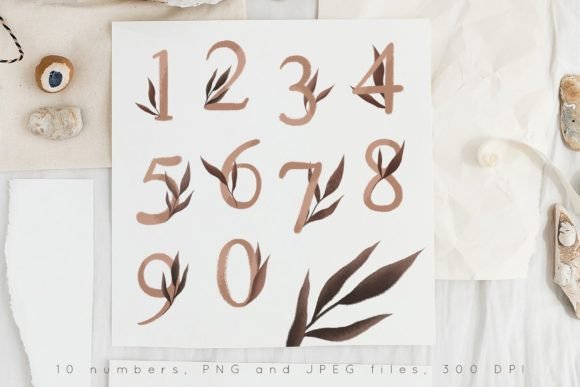
The concept is simple yet effective. Instead of using plain, sans-serif digits, you use numbers that are intertwined with foliage, vines, flowers, or botanical patterns. This approach softens the hard edges of mathematics and turns them into an aesthetic experience. For designers and hobbyists alike, having access to high-quality raster files makes this process incredibly smooth. The specific collection we are discussing includes ten distinct numbers, available in both PNG and JPEG formats, ensuring you have the flexibility to work in various software environments.
Why Choose Organic Number Designs?
In a world dominated by clean lines and minimalist corporate aesthetics, there is a growing appetite for designs that feel handcrafted and authentic. Decorative Numbers with Leaves tap into this trend perfectly. They evoke feelings of nature, growth, sustainability, and elegance. When you incorporate these elements into your work, you immediately add a layer of sophistication and warmth that standard typography often lacks.
Consider the psychological impact of visuals. Green tones associated with leaves suggest freshness and balance, while the structured form of a number provides clarity. Combining these creates a harmonious visual balance. For instance, if you are creating a timeline for a history blog or a schedule for a community event, using decorative numbers helps guide the reader’s eye gently through the information rather than shouting at them. It invites exploration rather than demanding attention.
Key Characteristics of High-Quality Assets
Not all digital illustrations are created equal. When selecting resources for your projects, quality matters immensely. The collection featuring these botanical numbers stands out due to its technical specifications. All illustrations are provided as raster images at 300 DPI. This resolution is crucial because it ensures crisp, sharp edges even when you scale the images up for print materials like posters, banners, or greeting cards. A lower resolution would result in pixelation, ruining the delicate details of the leaf veins and stems.
Furthermore, the availability of both PNG and JPEG formats addresses different workflow needs. PNG files are particularly valuable because they support transparent backgrounds. This means you can place any number from one to ten directly onto a colored background, a photograph, or another graphic element without worrying about unsightly white boxes surrounding it. It allows for seamless integration into complex designs. JPEG files, on the other hand, are universally compatible and smaller in file size, making them ideal for web use where loading speed is a priority.
Practical Applications Across Industries
The versatility of these decorative numbers extends far beyond simple decoration. Here are several realistic scenarios where this asset pack can solve common design problems:
- Event Planning and Stationery: If you are organizing a garden party, a bridal shower, or a birthday celebration, these numbers are perfect for table settings, program guides, or countdown signs. The natural theme pairs beautifully with rustic or bohemian aesthetics.
- Educational Materials: Teachers and educators looking to create engaging worksheets, classroom labels, or bulletin board displays will find these numbers highly appealing. They make learning numerals more visually stimulating for young students without sacrificing readability.
- Small Business Branding: Entrepreneurs running eco-friendly brands, bakeries, florists, or artisanal shops can use these numbers for pricing menus, shelf tags, or social media graphics. It reinforces a brand identity centered on nature and craftsmanship.
- Digital Content Creation: Bloggers and marketers can use these images as featured image overlays or infographic elements. For example, a "Top 10 Tips" post becomes more visually interesting when the numbers themselves are stylized with greenery.
- Personal Projects: Hobbyists scrapbooking memories, creating vision boards, or designing custom calendars can easily integrate these numbers into their layouts. The transparent background feature in the PNG files makes layering effortless in apps like Canva, Photoshop, or Procreate.
Understanding the Scope: Ten Distinct Numbers
The set includes ten numbers, typically ranging from zero to nine or one to ten, depending on the specific version. Having a complete set allows for consistency across your projects. You don’t have to hunt for matching styles later. If you start a project with a number five adorned with eucalyptus leaves, you know that number eight will share the same artistic DNA. This consistency is vital for professional-looking outputs.
Important Considerations Before You Start
While these assets are powerful tools, it is important to understand their limitations and best practices. Since they are raster files, they are resolution-dependent. Unlike vector graphics (SVG or AI files) which can be scaled infinitely without losing quality, raster images have a fixed pixel dimension. While 300 DPI is excellent for most print and screen uses, attempting to blow them up to the size of a billboard might reveal pixelation. Always check the dimensions of the original file before committing to a large-scale print job.
Another consideration is color customization. Because these are raster images, you cannot easily change the color of the leaves or the numbers independently within a basic image viewer. If you need a red rose instead of a green leaf, you may need to use editing software to adjust hues or overlay new colors. However, the benefit of the transparent PNG background is that you can place these numbers over any background color to create contrast, effectively changing how they appear in context.
Finally, think about your audience. Decorative numbers with leaves work exceptionally well for audiences who appreciate artistry, nature, and tradition. They might not be the best fit for highly technical, futuristic, or ultra-minimalist corporate designs. Understanding the tone of your project will help you decide whether these botanical digits are the right choice. When used appropriately, they elevate a design from functional to memorable.
Getting the Most Out of Your Design
To truly leverage the potential of Decorative Numbers with Leaves, try experimenting with layering. Place a number behind a semi-transparent text box, or let it peek out from under a photograph. Use them as bullet points in lists to break up dense text. The key is to let the design breathe. Don’t overcrowd your layout. Let the intricate details of the leaves stand out by giving them space.
Whether you are a seasoned graphic designer looking to add a touch of whimsy to a client’s brand, or a beginner trying to make your first Facebook post look polished, this collection offers a straightforward solution. The combination of high-resolution quality, versatile file formats, and beautiful organic design makes it a valuable addition to any digital toolkit. By choosing Decorative Numbers with Leaves, you are not just adding numbers; you are adding a story of nature and style to your creative output.