Bridging Eras: The Enduring Appeal of Vintage Hand Drawn Arrows in Modern Design
In an era dominated by sleek, minimalist interfaces and algorithmically generated graphics, there remains a distinct charm in the imperfect, organic lines of a vintage hand drawn arrow. These decorative elements are more than just simple directional indicators; they are sophisticated ornaments that carry the weight of history, craftsmanship, and human touch. Whether you are a graphic designer seeking to add warmth to a brand identity, a hobbyist working on a scrapbook project, or a business owner looking to evoke nostalgia, understanding the value of these retro elements is essential.
This article explores the significance of vintage hand-drawn arrows, their practical applications across various industries, and why this specific aesthetic continues to resonate with audiences today. We will also clarify common misconceptions about digital vector art versus traditional illustration and provide guidance on how to effectively utilize these assets in your creative workflow.
Understanding the Aesthetic: What Makes It "Vintage"?
To appreciate a vintage hand drawn arrow, one must first understand what defines its visual language. Unlike modern geometric arrows created with perfect symmetry and uniform stroke weights, vintage illustrations often feature slight irregularities. These imperfections are not errors; they are signatures of the artist’s hand. They mimic the behavior of ink on paper, charcoal on canvas, or etching tools on metal plates.
The term "vintage" in this context usually refers to styles reminiscent of the late 19th to mid-20th centuries. This includes influences from:
- Retro Americana: Bold, weathered textures reminiscent of old diner signs or classic car decals.
- Victorian Ornamentation: Intricate flourishes, filigree, and delicate line work that suggests elegance and formality.
- Bohemian/Artisanal: Rougher, sketch-like lines that convey creativity, freedom, and a handmade feel.
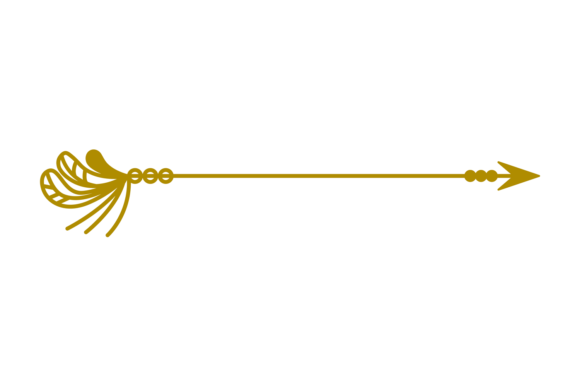
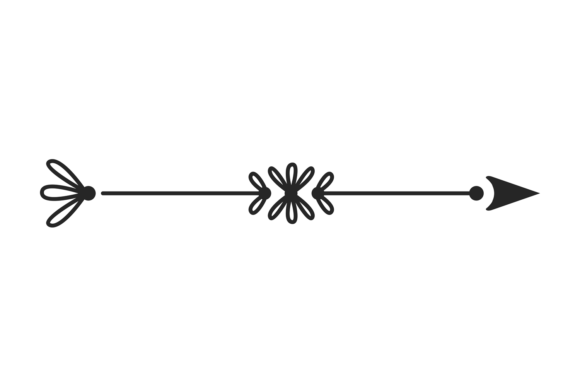
When you see a decorative ornament paired with an arrow, it often serves to frame the direction, turning a mundane instruction (like "turn left") into a visual experience. This combination transforms functional design into storytelling.
The Power of Vector Illustration in Digital Workflows
A common misconception among beginners is that "hand-drawn" implies a physical piece of paper that cannot be easily modified. However, the most versatile versions of these assets are available as vector illustrations. Understanding the difference between raster and vector formats is crucial for maximizing the utility of these designs.
Why Choose Vector Over Raster?
While JPG files are widely used for web display due to their compatibility, EPS (Encapsulated PostScript) or SVG (Scalable Vector Graphics) files offer superior flexibility. Here is why professionals prefer vector formats for vintage elements:
- Infinite Scalability: You can resize a vector arrow from the size of a postage stamp to the width of a billboard without losing quality. A JPG, conversely, will become pixelated and blurry when enlarged.
- Editability: In vector software like Adobe Illustrator, you can change the color of the arrow, adjust the thickness of the strokes, or even modify the curve of the shaft while maintaining the original artistic intent.
- Note: While JPGs are excellent for final exports for websites and social media, keeping the source EPS file ensures your project remains future-proof.
For designers, having access to a library of high-quality vector arrows allows for rapid prototyping and consistent branding. It bridges the gap between the slow, deliberate process of traditional drawing and the fast-paced demands of modern digital production.
Practical Applications in Business and Creativity
The versatility of the vintage hand-drawn arrow extends far beyond mere decoration. Its ability to evoke emotion makes it a powerful tool in several key areas.
Branding and Logo Design
Consumers are increasingly drawn to brands that appear authentic and trustworthy. A logo featuring a retro element like a hand-drawn compass or arrow can suggest heritage, reliability, and attention to detail. For example:
- Coffee Shops and Bakeries: Use ornate arrows to point to menu items or highlight "freshly baked" sections, creating a cozy, inviting atmosphere.
- Travel Agencies: Arrows naturally imply movement and journey. Pairing them with vintage maps or compass roses reinforces the idea of exploration and adventure.
- Wedding Invitations: Elegant, swirling arrows can guide guests through timelines or map directions, adding a touch of sophistication and romance.
Web Design and User Interface (UI)
In UI design, clarity is king. However, standard arrows can sometimes feel cold or sterile. Integrating a decorative ornament style arrow can soften the user experience. Imagine a "scroll down" indicator that isn't just a chevron, but a stylized, feathered arrow pointing downward. This subtle shift can make a website feel more curated and less generic.
Education and Infographics
Visual learning is critical for retaining information. When creating infographics, arrows are used to show processes, timelines, and cause-and-effect relationships. A hand-drawn style breaks up the monotony of straight lines, keeping the reader engaged. For educators, using these visuals in slide decks or printed materials can help demystify complex topics by making the data feel more accessible and less intimidating.
Common Misunderstandings About Retro Design
As the popularity of vintage aesthetics grows, so do some myths about their implementation. Let’s clarify a few points to ensure you use these elements effectively.
Misconception 1: "It Looks Unprofessional"
Some believe that hand-drawn elements lack precision and therefore look amateurish. In reality, skilled vector artists replicate the *feel* of hand-drawing with mathematical precision. The result is an image that looks organic but behaves digitally. The key is balance; overusing heavy textures or overly complex ornaments can clutter a design. Use these arrows as accents, not the main focus.
Misconception 2: "It Dates My Brand"
There is a fear that using "vintage" styles will make a company look outdated. On the contrary, vintage is a timeless trend. Think of brands like Apple or Airbnb, which have used nostalgic or artisanal motifs to connect with users on a human level. The goal is not to copy the past exactly, but to borrow its warmth and apply it to modern contexts.
Misconception 3: "All Hand-Drawn Looks the Same"
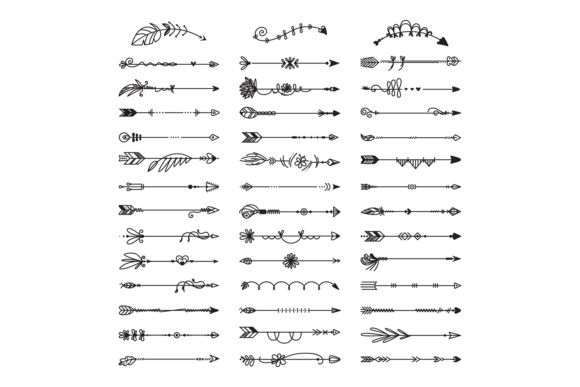
Not all vintage arrows are created equal. There is a vast spectrum ranging from rough, charcoal sketches to fine-line ink drawings. Choosing the right style depends on your audience. A rugged, bold arrow suits outdoor gear brands, while a delicate, floral-adorned arrow fits well with beauty or lifestyle products.
How to Integrate Vintage Arrows Into Your Projects
If you are ready to incorporate vintage hand drawn arrows into your next project, consider these best practices:
- Maintain Consistency: If you choose a sketchy, rough-edged arrow, avoid pairing it with hyper-realistic photographs or ultra-clean sans-serif fonts unless you are intentionally going for a mixed-media contrast. Stick to complementary textures.
- Use Color Wisely: Vintage palettes often include muted tones like mustard yellow, teal, burgundy, or olive green. Avoid neon colors unless you are aiming for a specific pop-art retro look.
- Layer Elements: Combine the arrow with other retro elements such as banners, ribbons, or stamps to create a cohesive badge or emblem.
- Check Licensing: Always verify the usage rights of the EPS or JPG files you download. Some stock vectors are for personal use only, while others allow commercial application.
Conclusion
The vintage hand drawn arrow is a testament to the enduring power of human creativity in a digital world. It reminds us that behind every screen and interface, there is a desire for connection, authenticity, and beauty. By understanding the nuances of this aesthetic—from the technical benefits of vector formats to the emotional resonance of retro design—you can elevate your projects from ordinary to extraordinary.
Whether you are designing a logo, building a website, or crafting a personal invitation, these decorative ornaments offer a unique opportunity to inject personality and history into your work. Embrace the imperfections, respect the tradition, and let these arrows guide your creative journey forward.